Projects

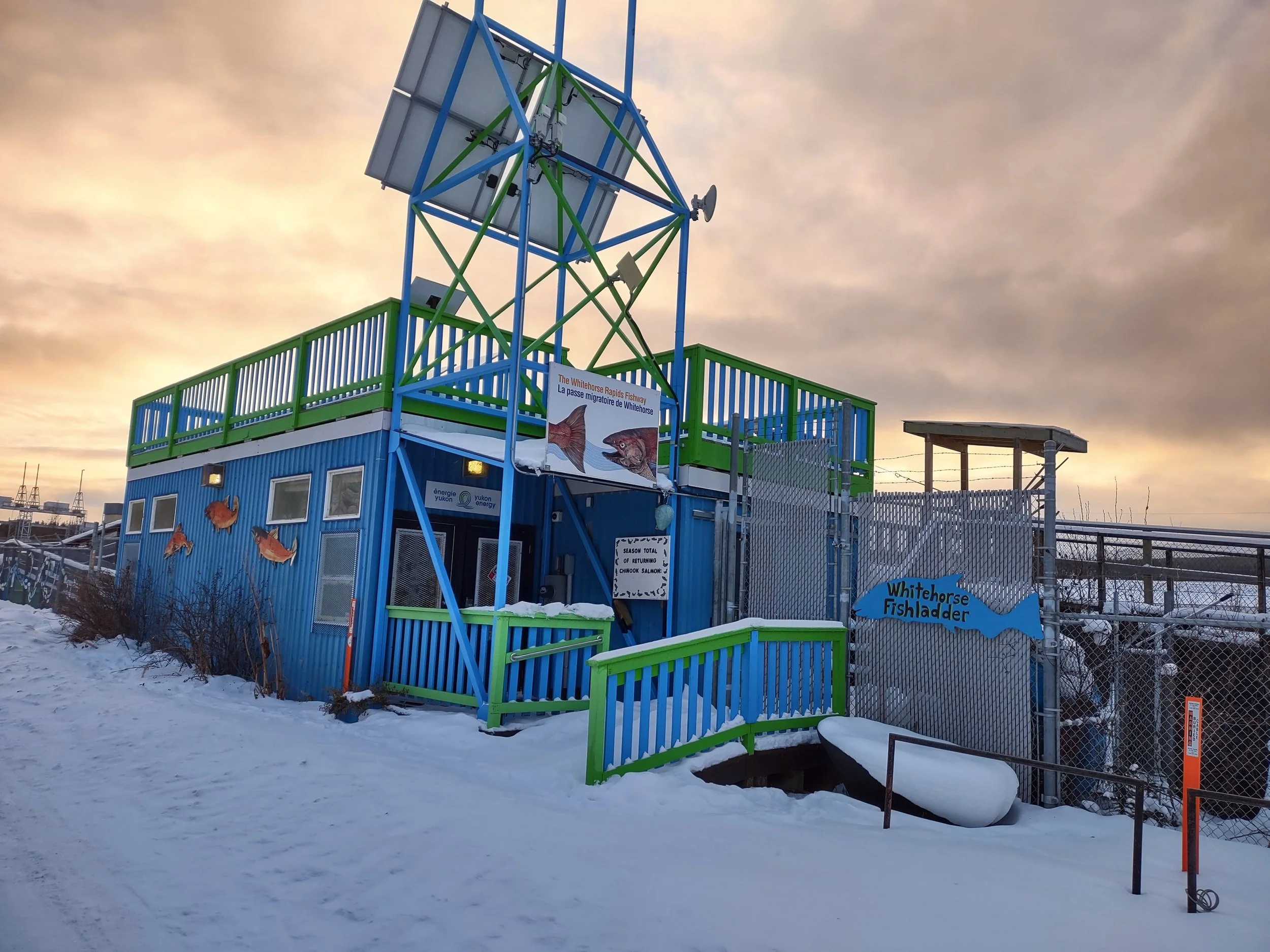
Circe Energy’s work spans research, advisory, and public engagement across energy transition contexts. The examples below illustrate how we support policy design, program development, infrastructure planning, and workforce strategies by translating complex evidence and interest holder perspectives into decision-ready insight.
“City renewable energy is a regional issue-here’s why” C 40 Cities.
“Why Renewable Energy in the City is a Regional Issue" The City Talks.
“How can place based approaches to energy transitions lead to justice and societal transformation?” TISED McGill University.
“Pilbara's Indigenous leaders look to Canada as way to address economic disadvantage” ABC News.
“A First Nations power authority could transform electricity generation for Indigenous Nations” The Conversation.
“How Indigenous economic development corporations can support a just, low-carbon energy transition” The Conversation
Impacts and place-based approaches to transformative energy justice for First Nations (analysis)
“By and For Local People’: Assessing the connection between Local Energy Plans and Community Energy.” (analysis)
Decarbonising cities: exploring regional energy justice implications (analysis)
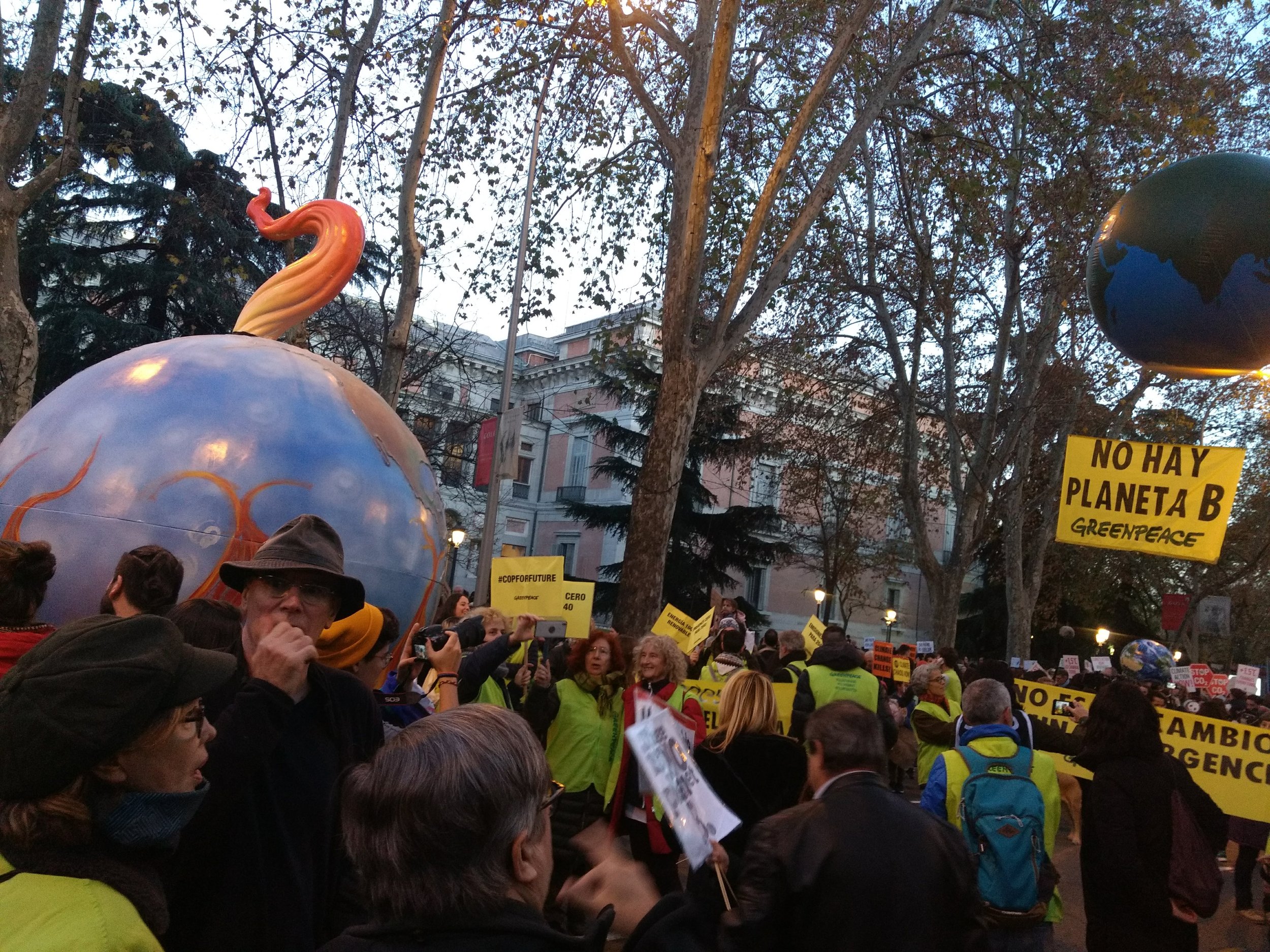
Encouraging energy transitions
Transparent strategies for energy and climate action that bridge knowledges and experiences can address challenges to communities, energy users, local governments, utilities and grid operators. Gaps and limitations in data and the policy and regulatory context contribute to blind spots and obscure opportunities.
EMPOWERING COMMUNITIES: a landscape analysis of renewable electricity ownership, benefits and research gaps. David Suzuki Foundation.
"Transformative electricity sector change: addressing sector knowledge gaps Public Briefing on the Committee Study of NTPC Governance" Legislative Assembly of the Northwest Territories (expert witness presentation).
Canada is stuck in a state of carbon lock-in – here’s how we can reverse that. Corporate Knights.
Dispatches from COP26: If Canada wants to meet its emissions targets, it needs to support clusters of innovations. Corporate Knights.
The political economics of civic energy: A framework for comparative research. (analysis)
Viewpoint: Ambitious deep energy retrofits of buildings to accelerate the 1.5C energy transition in Canada. (analysis)
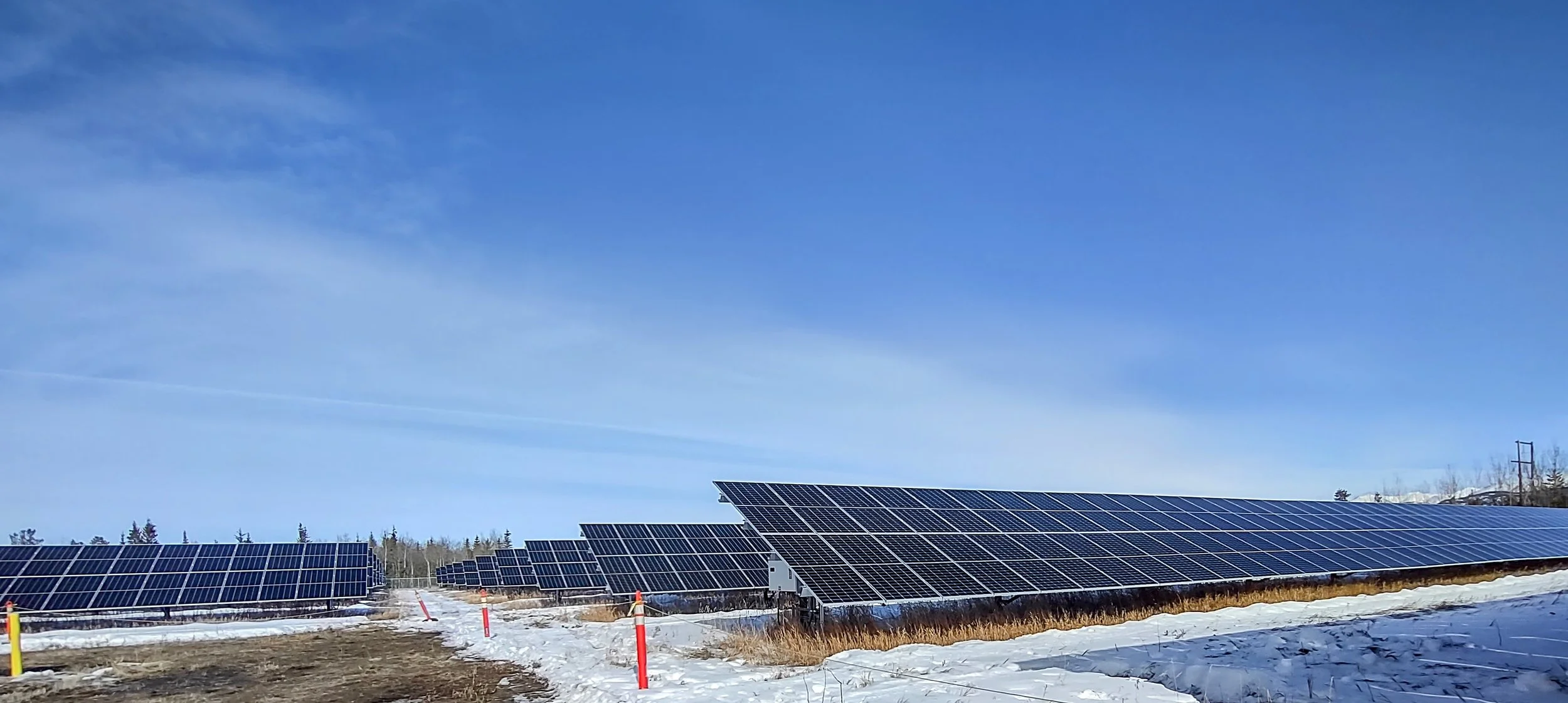
Emerging technologies
Replacing fossil fuels with renewable energy is estimated to cost over one hundred trillion dollars of investment to implement new transmission and distribution grids, energy storage, generation, efficiency and conservation activities. New technologies like Artificial Intelligence data centres impact local water and electricity availability. Historical distribution grids were not all designed for renewable electricity integration and two-way power. Renewable electricity generation is located at a distance from areas of energy demand.
“Understanding renewable energy clusters and their role in a just transition”. Smart Prosperity Institute.
"A Pathway to Net Zero: Carbon Capture and Storage: Net Zero Pathway or Pipe Dream" The Transition Accelerator.
As supporters celebrate the Liberals' 'return to nuclear', critics decry 'dangerous' distraction" The Hill Times.
“David Eby veut faire de Prince George une plaque tournante de l’hydrogène“ CBC News.
"Electric vehicles: one part of an energy transition to mitigate climate change" The Hill Times.
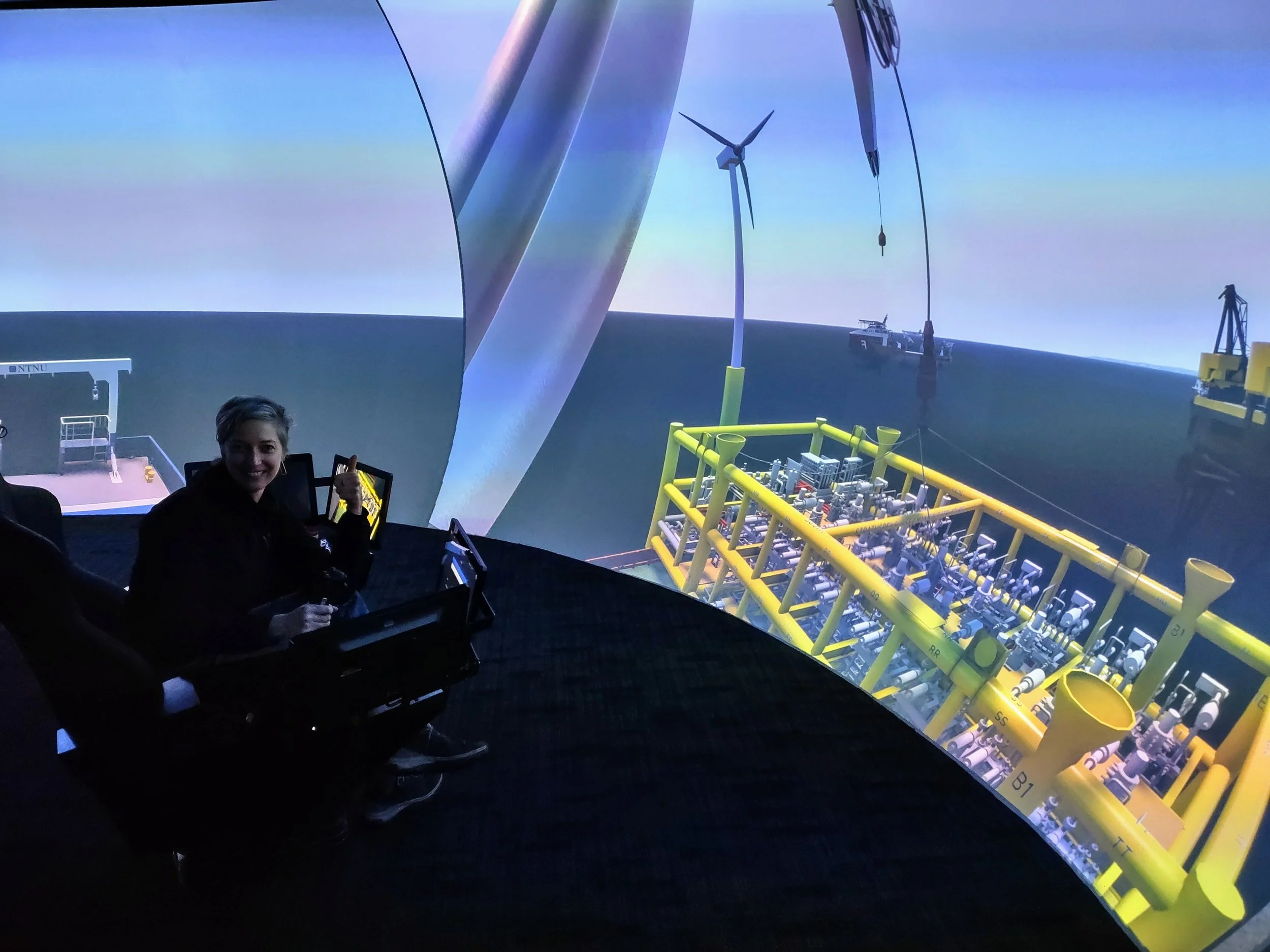
Workforce and inclusion
Energy use is the predominant cause of greenhouse gas emissions. The hazards and events that result from climate change - heatwaves, forest fires, water shortages - impact electricity grid resilience and the availability of power. These hazards require reliable electricity to maintain indoor air quality and cooling, safe water management, medical and social systems of support. Workforce transitions are needed to address these emerging challenges.
Analyzing barriers and opportunities within Canada's energy workforce through the lived experiences of equity-deserving grassroots bursary applicants. Trellis Fund.
Philanthropic organisations advancing equity, diversity and inclusion in the net-zero carbon economy in Canada. The J.W. McConnell Foundation.
Misalignment or exclusion? Investigating climate and energy philanthropy funding of diversity. (analysis)