
Services
Scope of learning & analysis
Circe Energy helps clients articulate questions and outline the scope of learning or analysis, and design of training materials or research.
Develop information baselines
The information you require to make decisions is often not measured or accessible, is sometimes contradictory, lacks synthesis, leading to blind spots and paralysis in energy and climate strategies. Circe Energy uses a range of qualitative methods to develop baselines - curated workshops, qualitative interviews, surveys, written feedback, and document analysis - and validate the findings.
Projects
Public Briefing on the Committee Study of Northwest Territories Power Corporation(NTPC) Governance presented to the Legislative Assembly of the Northwest Territories (2025)
EMPOWERING COMMUNITIES: a landscape analysis of renewable electricity ownership, benefits and research gaps for the David Suzuki Foundation. (2025).
Addressing a policy information gap of relevant impacts and benefits of First Nations led renewable energy projects resulted in interviews with knowledge holders for the Clean Energy Association of British Columbia and the New Relationship Trust.
Impacts and place-based approaches to transformative energy justice for First Nations
Assessment on the role of Indigenous Economic Development Corporations in renewable energy projects with the Canadian Council for Indigenous Business (CCIB).
“How Indigenous economic development corporations can support a just, low-carbon energy transition” (2023).
A baseline of equity, diversity and inclusion activities across energy and environment organizations in Canada to address an information gap, validated with workshops for the McConnell Foundation.
Equity, diversity and inclusion in climate action in Canada: The role of philanthropy (2022)
An assessment of control of Indigenous-led renewable energy projects filled a policy information gap and was published by the Canada Energy Regulator / Régie de l’énergie du Canada:
Market Snapshot: Indigenous Ownership of Canadian Renewable Energy Projects is Growing (2023)

Developing information baselines
Knowledge gaps for the restructuring of the Northwest Territories Power Corporation presented to the Legislative Assembly of the Northwest Territories.
Public Briefing on the Committee Study of NTPC Governance (2025)
Assessment of citizen and public ownership of renewable electricity, and supportive governance structures for the David Suzuki Foundation.
Addressing a policy information gap of relevant impacts and benefits of First Nations led renewable energy projects resulted in interviews with knowledge holders for the Clean Energy Association of British Columbia and the New Relationship Trust.
Impacts and place-based approaches to transformative energy justice for First Nations
Assessment on the role of Indigenous Economic Development Corporations in renewable energy projects with the Canadian Council for Indigenous Business (CCIB).
“How Indigenous economic development corporations can support a just, low-carbon energy transition” (2023).
A baseline of equity, diversity and inclusion activities across energy and environment organizations in Canada to address an information gap, validated with workshops for the McConnell Foundation.
Equity, diversity and inclusion in climate action in Canada: The role of philanthropy (2022)
An assessment of control of Indigenous-led renewable energy projects filled a policy information gap and was published by the Canada Energy Regulator / Régie de l’énergie du Canada:
Market Snapshot: Indigenous Ownership of Canadian Renewable Energy Projects is Growing (2023)

Governance and institutions shape outcomes
Analysis of a wide range of governance and institutional options that support renewable energy projects and infrastructures through citizen involvement and social acceptance.
First Nations Power Authority (The Conversation, 2025)
Innovation in governance and ownership options (The Hill Times, 2024)
A framework of policy and planning instruments to scale citizen ownership of renewable electricity. (Figure 1, David Suzuki Foundation, 2025)
The role of Indigenous Economic Development Corporations (The Conversation, 2023)
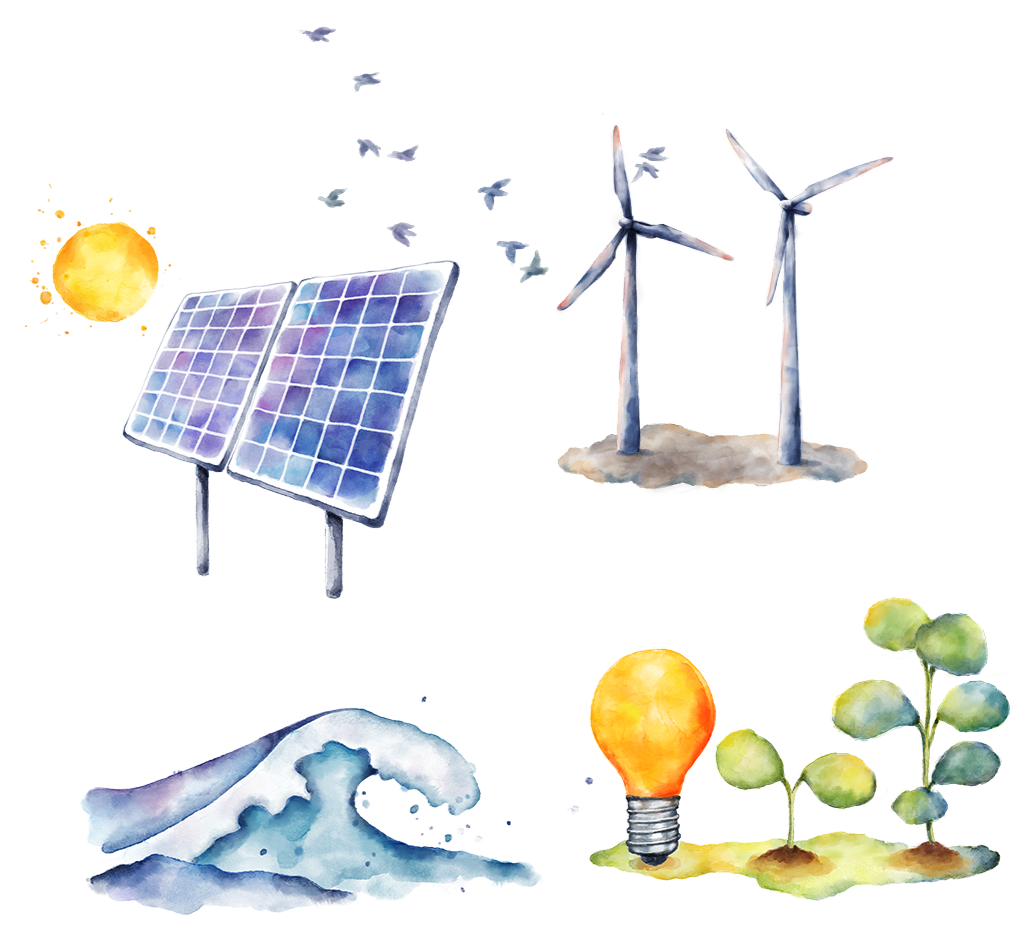
Increasing Market Share of Renewable Energy and Low-Carbon Innovations
Most low-carbon innovations struggle to scale beyond niche markets. Our work demonstrates that a range of policies and market structures are needed support their increased uptake across regions and sectors.
Canada is stuck in a state of carbon lock-in – here’s how we can reverse that. (Corporate Knights 2021).
One of the biggest impacts on climate change mitigation are deep energy efficiency retrofits to buildings. Read our analysis:
Advice on the provision of energy efficiency retrofits for all in Canada (2021)
The sun doesn’t always shine, the wind doesn’t always blow, and we need renewable energy to meet demand. The socio-technical concept of renewable energy clusters can help scale renewable electricity:
What is a renewable energy cluster (Smart Prosperity Institute, 2022)
Dispatches from COP26: If Canada wants to meet its emissions targets, it needs to support clusters of innovations. (Corporate Knights, 2021)
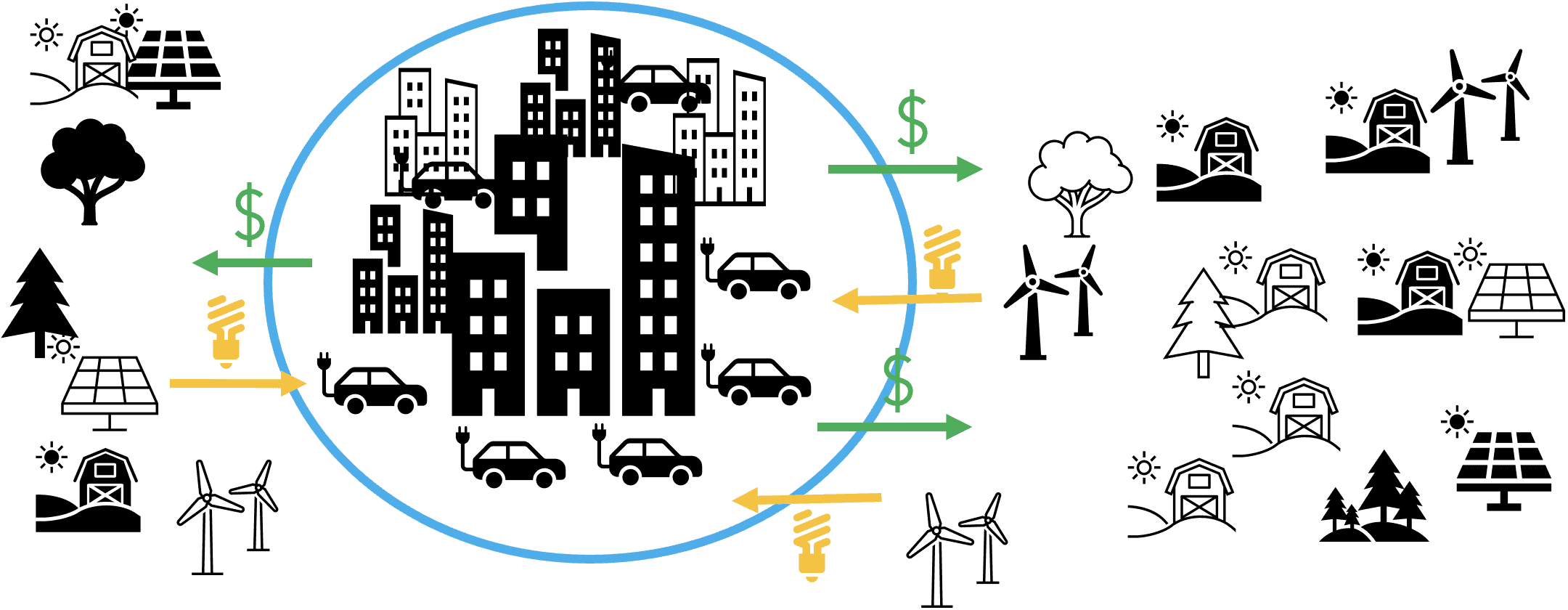
Linking Renewable Energy to Local and Regional Socio-Economic Development
There are a range of potential socioeconomic benefits through ownership of renewable energy and workforce transition.
Documenting the impacts of renewable energy for First Nations in British Columbia (The Conversation, 2026).
Structural Obstacles Limit Women’s Access to Clean Energy Jobs, Study Finds. (The Energy Mix, Trellis Fund, 2026)
“Pilbara's Indigenous leaders look to Canada as way to address economic disadvantage” (ABC News 2025).
Place-based approaches to renewable energy (TISED McGill University)
A transition to renewable energy offers the opportunity for regional economic development, in both rural and urban locations, depending on who manages it, and how it is managed.
Print (C40 Cities, 2022)
Video (The City Talks 2022)

Weighing in on Emerging Technologies
New and existing technologies can be misunderstood and controversial, due to (lack of) evidence, impacts, or an unclear understanding of where they fit into the market.
Carbon Capture and Storage (The Transition Accelerator, 2023)
Implementing green hydrogen in Canada (2025)
l’hydrogène vert à Prince George (French) CBC News.
Carbon Capture Conversion and Utilization Technology (2025)
Perspectives on nuclear power (The Hill Times, 2023)
Contextualizing electric vehicle implementation in British Columbia (CityNews, 2024)
Electric vehicles: one part of an energy transition to mitigate climate change" (The Hill Times, 2023)